Garden Oaks & Oak Forest Neighborhood Guide
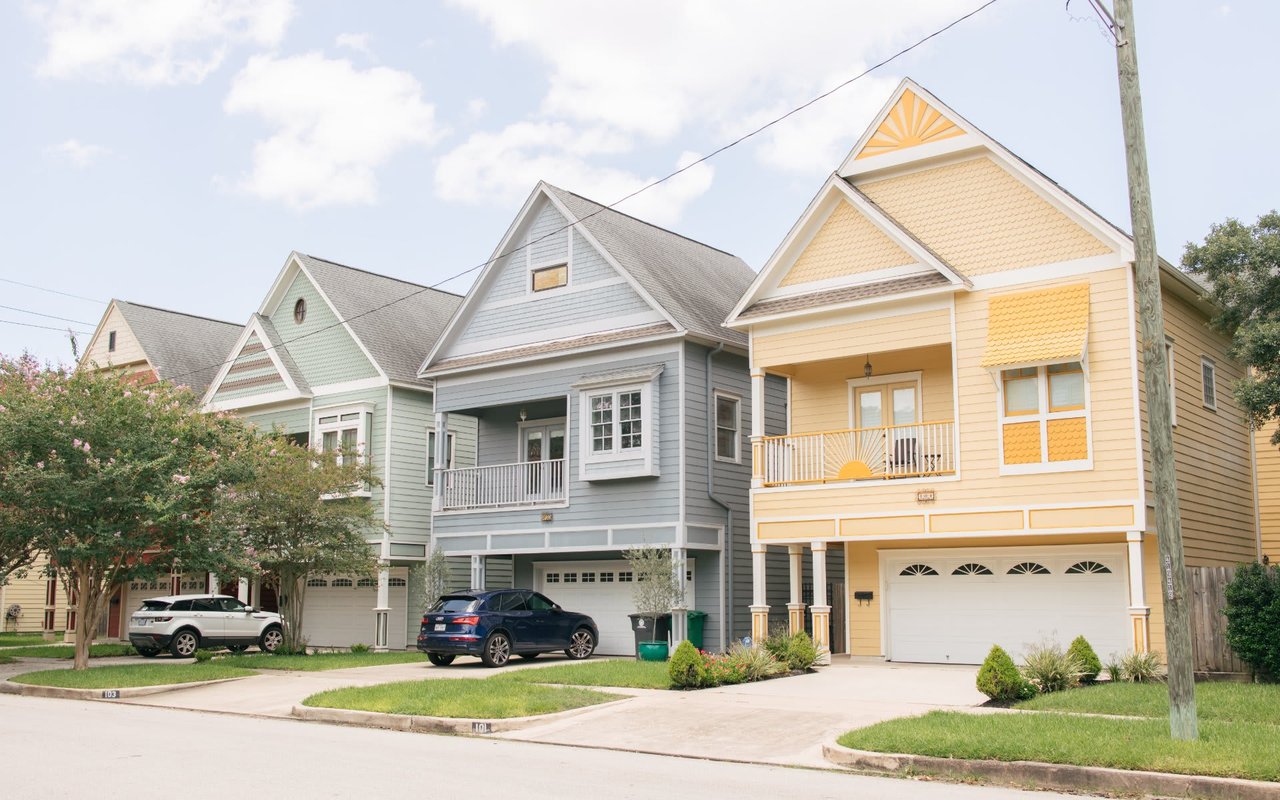
Established neighborhoods just north of the Loop, with mature trees, booming new development, and room to enjoy a more residential setting close to central Houston.
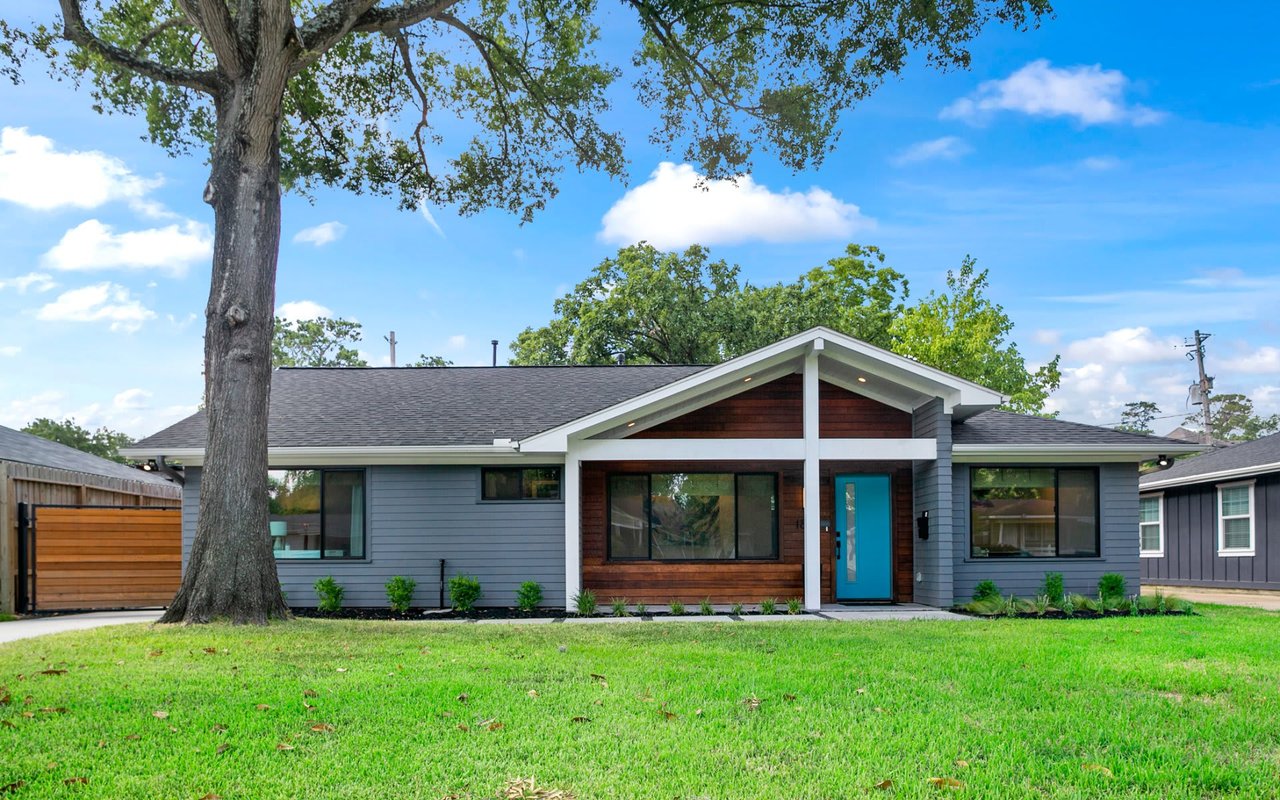
Established neighborhoods just north of the Loop, with mature trees, booming new development, and room to enjoy a more residential setting close to central Houston.
Garden Oaks and Oak Forest appeal to families looking for more space but still want to be relatively close to Houston’s urban core. Though distinct neighborhoods, Garden Oaks and Oak Forest are sometimes referred to collectively as “GOOF”.
Garden Oaks is known for its winding streets and generous lots. Oak Forest is a geographically larger neighborhood than Garden Oaks with established curbed streets, giving it a similar feel to a suburban neighborhood.
A convenient, close-in location just north of I-610, with easy access to major freeways and Downtown
Proximity to the Heights and all of the things/businesses that makes the Heights so cool and desirable
Established streets and a truly residential character that’s very family-friendly
Larger lots than inner-loop neighborhoods with opportunities for usable outdoor space
Availability of recent construction homes + generally not as expensive as neighborhoods like the Heights, West U, and Bellaire.
Access to highly rated public schools, especially Oak Forest Elementary
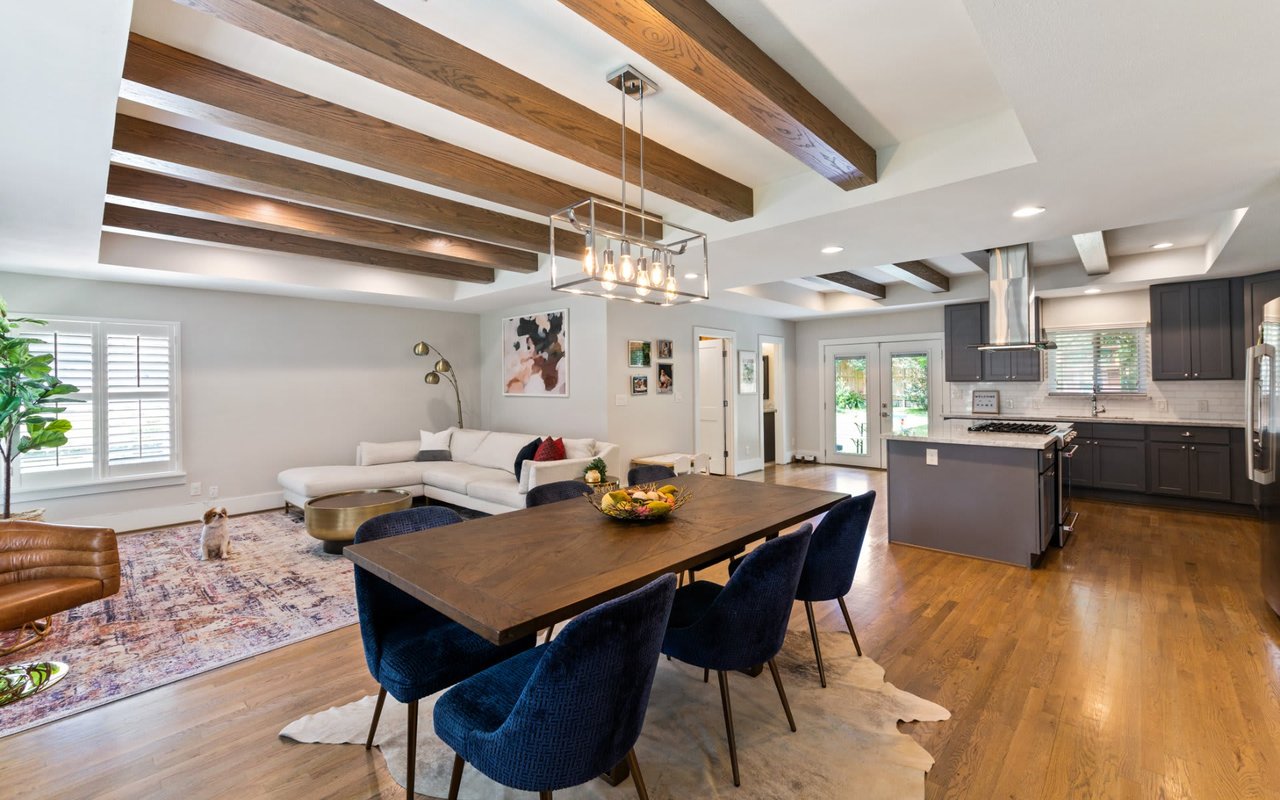
Most move-in ready homes in Garden Oaks and Oak Forest will either be renovated cottages or ranch-style homes, or larger newer builds.
From a pricing standpoint, both neighborhoods offer a broad range of options. The median price in Garden Oaks tends to be higher, in large part because (1) the large lot sizes command a premium and (2) larger new construction homes can fit on the larger lots, therefore commanding higher prices.
On the flip side, since Oak Forest is larger geographically, buyers tend to have more inventory to choose from in Oak Forest.
Garden Oaks: Original cottages and ranch-style homes generally represent the lower end of the market, while extensively renovated properties and larger custom homes can exceed $1.5M–$2M.
Oak Forest: Pricing varies considerably by section and property type. Original homes at the bottom of the market are often snatched up by builders who can pay cash and a quick and easy close with no inspections.
The entry point into Oak Forest is around $375K-$500K. In this price range you’re looking at:
Older single-family home with a yard, about 1100-1500 sf
Three-story “townhome” (usually fully detached with no shared walls), between 2000-3000 sf
If you require at least 3 bedrooms and 2,200 square feet, move-in ready homes will go around $650K-800K.
And then new construction homes between 3000-5500sf will go between $1.3M-$2M+
Factors that influence pricing in both neighborhoods include:
Neighborhood, specific section, and whether or not you’re in a flood zone
Zoned schools
Lot size, configuration, and usability
Street location and proximity to commercial corridors
Home size, layout, and architectural design
Daily life here combines residential streets with nearby dining, coffee, and outdoor recreation. West 34th Street, Ella Boulevard, and North Shepherd Drive provide access to local businesses, while the Heights adds more options close by. Stomping Grounds is one example of a neighborhood gathering place with dining and outdoor space.
Walkability depends on the block and destination. Some homes are an easy walk from a park or coffee shop, but many errands still involve driving. Oak Forest Park, Candlelight Park, and the White Oak Bayou trail system offer outdoor options in and around the area.
Residential streets with nice sized lots and space for outdoor living
Neighborhood restaurants, coffee shops, and gathering places
Access to parks and nearby trails
Connections to I-610 and US-290, with commute times dependent on traffic and the specific address
Garden Oaks and Oak Forest are served by Houston ISD. Neighborhood schools, magnet programs, and private or charter options give buyers several paths to consider, but school assignments and admissions should be checked for each address.
The neighborhood name alone does not tell you which schools serve a home. Oak Forest’s larger footprint makes section-level differences especially important, and access to a magnet program is not the same as a guaranteed seat.
Verify current attendance zones for the exact address with HISD.
Check magnet and other choice-program application requirements separately.
Consider the daily school commute alongside the home and neighborhood.
School boundaries and enrollment policies can change.
Resource: HISD School Zoning & Demographics
Over the last 10-15 years, the popularity and desirability of Garden Oaks and Oak Forest has only continued to rise. We see the following as the contributing factors:
There is a continued trend of professionals wanting to stay closer to Houston urban core rather than move out to the suburbs, even as their families and need for space grows
The above-mentioned trend is one of the reasons the Heights has become one of Houston’s most popular neighborhoods. Many buyers look to GOOF as a great alternative to the Heights, where they can get more house and a bigger lot for slightly less
Selling a home in Garden Oaks and Oak Forest requires a more nuanced approach than simply pricing to recent sales and putting a sign in the yard. Because the neighborhood is so block- and property-specific, buyers tend to scrutinize details closely, comparing not just square footage, but street location, design aesthetics, and overall functionality.
Pricing that reflects the specific section, home type, and competition
Well-executed improvements and a functional floor plan
Clear pricing strategy aligned with buyer expectations
Are Garden Oaks and Oak Forest good places to live?
They can be a good fit if you want an established residential setting near central Houston. The best fit depends on your budget, commute, desired home style, and the specific block.
Are there flood concerns in Garden Oaks and Oak Forest?
Flood risk varies by property. After Hurricane Harvey in 2017, the City of Houston passed new building ordinances to help protect against flooding. For new homes in the mapped 100-year or 500-year floodplain, the general rule is that the lowest floor must be at least 2 feet above the 500-year flood elevation.
Homes outside a mapped floodplain can still flood. On the flip side, there are homes in the mapped floodplain that have never flooded. We recommend reviewing each property’s flood history on a case-by-case basis.
Furthermore, flood insurance is generally required for homes in FEMA-designated high-risk flood zones when financed through a federally backed or federally regulated lender. Lenders may also require it outside those zones. Because of Houston’s history of storms and flash floods, we recommend considering flood insurance regardless of whether it’s required.
Are Garden Oaks and Oak Forest walkable?
Some pockets offer walking access to parks, coffee shops, and restaurants, but many errands require a car.
Are Garden Oaks and Oak Forest good for families?
Yes, plenty of families call these neighborhoods home. You’ll often see groups of kids playing or riding their bikes together, and families taking walks with strollers.
There are also plenty of ways to spend time outdoors. Oak Forest Park and Candlelight Park have playgrounds and sports facilities, while T.C. Jester Park offers access to the White Oak Bayou Greenway for walking and biking. For youth sports, Oaks Dads’ Club offers programs including baseball, softball, soccer, and flag football. The nearby Foster Family YMCA also offers youth sports, swimming, and camps.
What are the schools like in Garden Oaks and Oak Forest?
Garden Oaks and Oak Forest are served by Houston ISD and offer access to several highly rated public schools. In the state’s 2026 accountability ratings, Garden Oaks Montessori, Oak Forest Elementary, Frank Black Middle School, and Waltrip High School each received an A.
There are also several nearby private-school options, including St. Rose of Lima Catholic School, St. Ambrose Catholic School, and Our Savior Lutheran School for younger students, as well as St. Pius X High School.
School assignments vary by address, so we recommend confirming the current attendance zones with HISD when considering a specific home. Magnet and private-school admission have separate application requirements.
The right strategy starts with the specific home and your goals. We can help you compare the neighborhoods, understand the trade-offs, and make a plan grounded in the market you’re actually buying or selling in.
Look beyond the neighborhood name to find the combination of home, lot, location, and budget that works for you.
Comparing sections and home styles that fit your priorities
Evaluating renovation or construction quality, flood history, and relevant comparable sales
Planning an offer and negotiating with a clear understanding of your options
Position your home around its strengths and the alternatives buyers have today, with preparation and pricing tailored to the property.
Pricing based on relevant comparable sales
Knowing that make-ready repairs are worth the investment
Thinking about buying or selling in Garden Oaks or Oak Forest? Reach out to start a conversation about your options and next steps.
31,031 people live in Garden Oaks & Oak Forest Neighborhood Guide, where the median age is 36 and the average individual income is $70,504. Data provided by the U.S. Census Bureau.
Total Population
Median Age
Population Density Population Density This is the number of people per square mile in a neighborhood.
Average individual Income
Garden Oaks & Oak Forest Neighborhood Guide has 12,521 households, with an average household size of 2.45. Data provided by the U.S. Census Bureau. Here’s what the people living in Garden Oaks & Oak Forest Neighborhood Guide do for work — and how long it takes them to get there. Data provided by the U.S. Census Bureau. 31,031 people call Garden Oaks & Oak Forest Neighborhood Guide home. The population density is 4,585 and the largest age group is Data provided by the U.S. Census Bureau.
Total Population
Population Density Population Density This is the number of people per square mile in a neighborhood.
Median Age
Men vs Women
Population by Age Group
0-9 Years
10-17 Years
18-24 Years
25-64 Years
65-74 Years
75+ Years
Education Level
Total Households
Average Household Size
Average individual Income
Households with Children
With Children:
Without Children:
Marital Status
Blue vs White Collar Workers
Blue Collar:
White Collar:
Our expansive network and white-glove service ensure a bespoke experience for both buyers and sellers. Let our top producing team find your dream home today.