Houston Heights Neighborhood Guide
One of Houston’s most sought-after inner-loop neighborhoods, valued for its walkable pockets, architectural character, and convenient central location.
One of Houston’s most sought-after inner-loop neighborhoods, valued for its walkable pockets, architectural character, and convenient central location.
The Houston Heights is one of Houston’s most established inner-loop neighborhoods, known for its walkability, historic character, and central location. Just minutes from Downtown, the Heights offers a mix of classic bungalows, renovated cottages, and newer construction—appealing to buyers who want charm without sacrificing convenience. Tree-lined streets, local restaurants, coffee shops, and neighborhood parks give the area a lived-in, community-driven feel that’s hard to replicate elsewhere in the city.
Central location with quick access to Downtown, the Loop, and major freeways
Strong sense of neighborhood identity and long-term homeowner pride
Walkable pockets with restaurants, bars, and local retail
A range of housing styles and price points within the inner loop
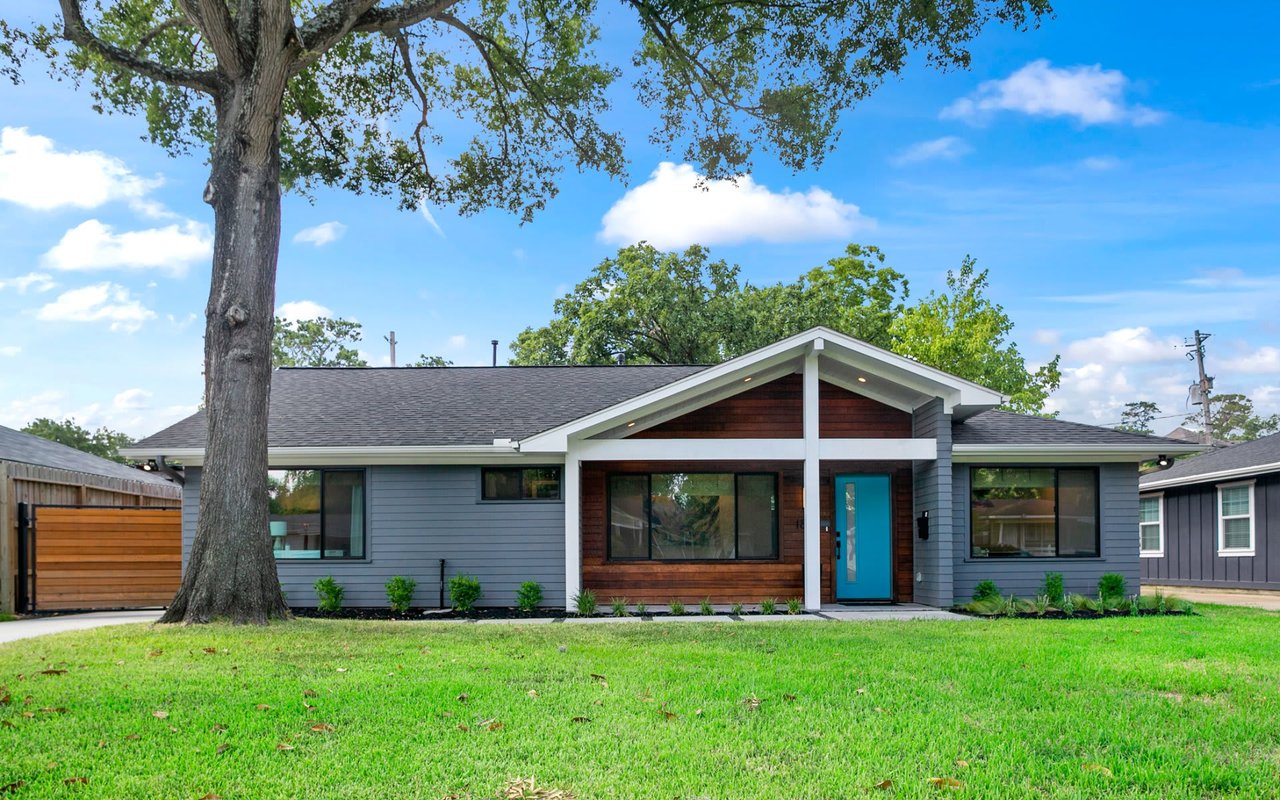
Housing in the Houston Heights is defined by variety. The neighborhood is best known for its early-20th-century bungalows and cottages, many of which have been carefully renovated or expanded over time. Many of these homes sit on walkable blocks with mature trees and established streetscapes that give the area its character.
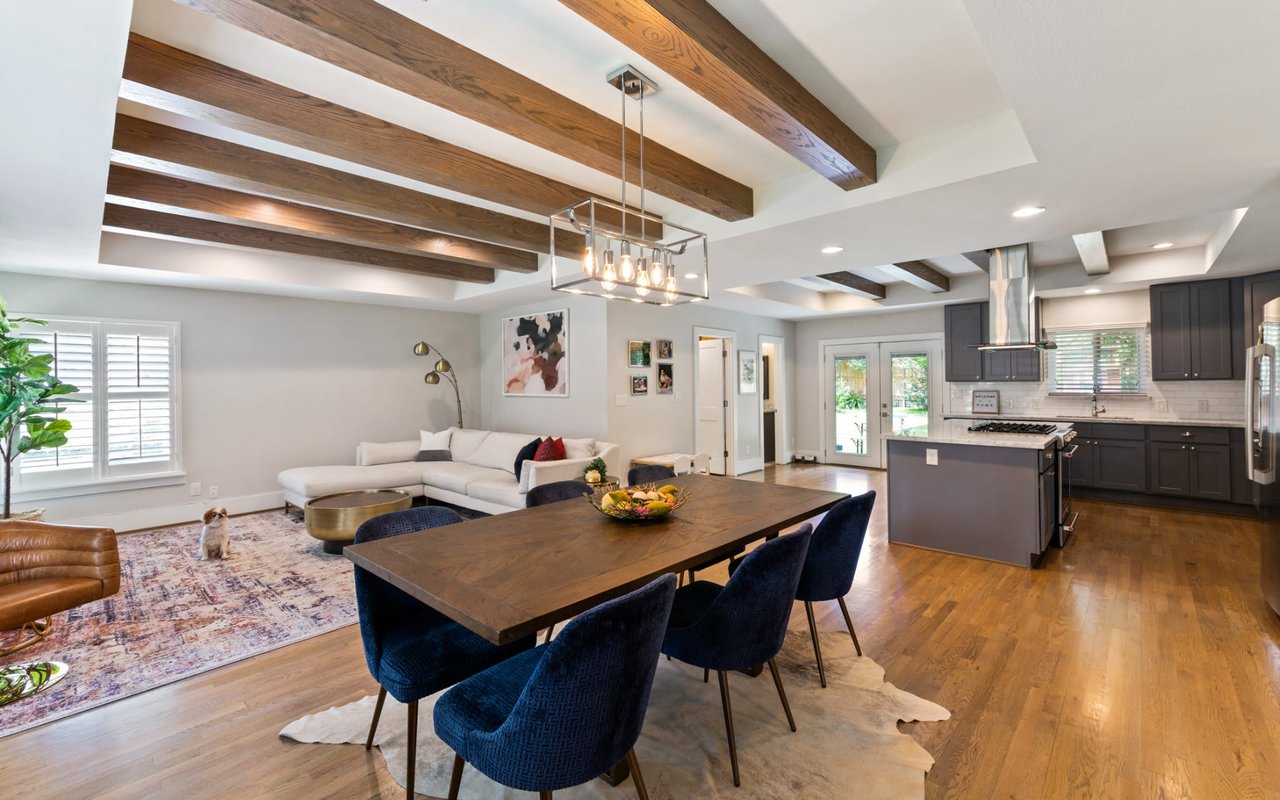
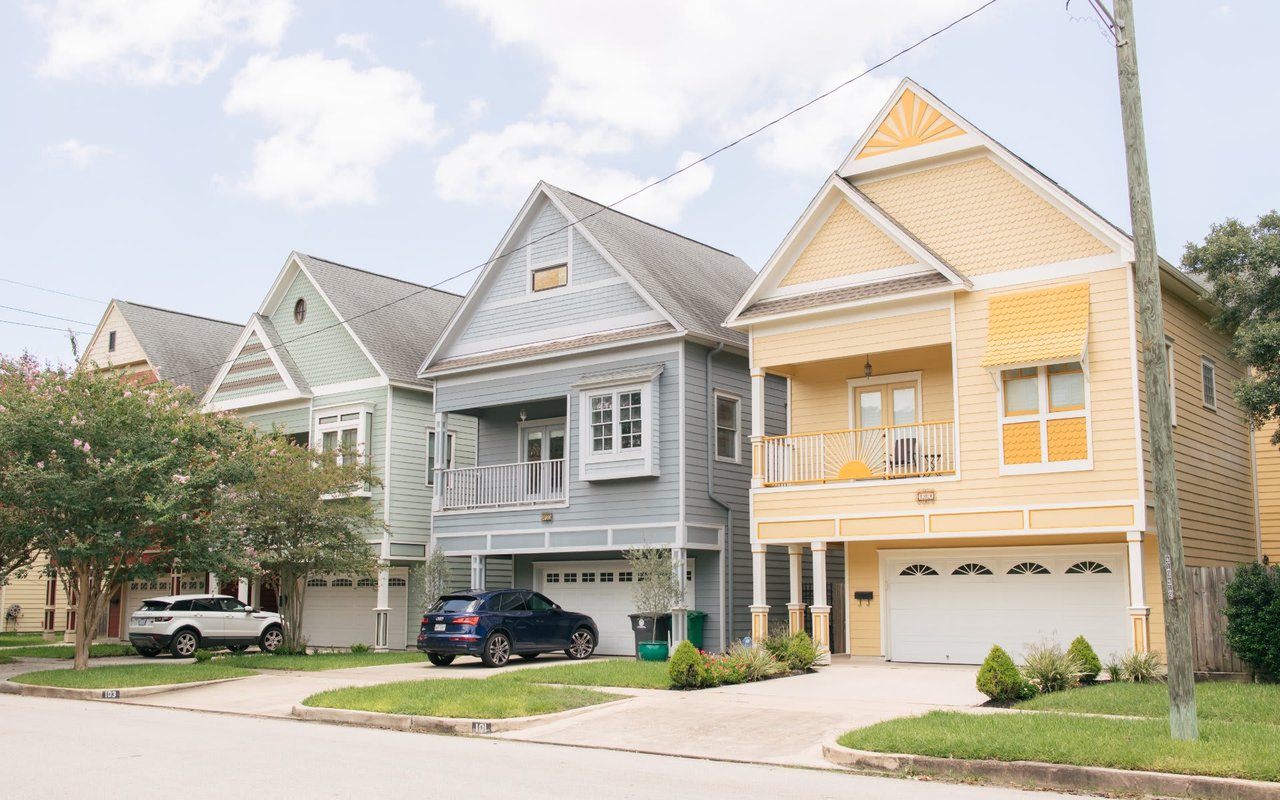
Alongside the historic housing stock, buyers can also find new and recent construction ranging from freestanding single-family homes, 3-story townhomes, and 2- to 3-story “front-loaders”. This mix creates a wide range of options, from move-in-ready renovated homes to modern builds with contemporary layouts and energy-efficient systems.
From a pricing standpoint, the Heights spans a broad spectrum. Price ranges vary depending on a variety of factors including:
Sub-market (e.g. Woodland Heights / Norhill / Sunset Heights / Shady Acres / etc.)
Property type (e.g. single-family home, bungalow, townhome, front-loader)
Block
Lot size
Zoned schools
Proximity to commercial areas, parks, trails, or other attractions.
Generally speaking, “entry level” move-in ready homes in the Heights market would be 3-story townhomes with shared driveways starting in the $400K-500K range.
On the high end, larger home on larger lots can exceed $2M.
The Houston Heights market area, like other inner-loop markets in Houston, consists of several sub-markets. Sub-markets are not always clearly or officially defined by specific streets or boundaries.
Within the Heights there are a handful of historic districts. These are: Houston Heights West Historic District, Houston Heights East Historic District, Houston Heights South Historic District, Norhill Historic District, Woodland Heights Historic District, and Freeland Historic District. Renovations and new construction projects within historic districts must adhere to design guidelines set by the Houston Archaeological & Historical Commission (HAHC), which regulate elements such as building height, massing, materials, window proportions, and exterior details to preserve the architectural character of the neighborhood.
A sub-market may share the name of a historic district, but its boundaries do not always align with the historic district itself. For example, not all properties within Woodland Heights fall inside the Woodland Heights Historic District.
Sub-market, zoned schools, and street-by-street differences matter for value
5000 sf - 7000 sf would be considered a standard lot size. Lots larger than 8,000 sf command a premium.
One of the biggest draws of living in the Houston Heights is how livable it feels on a day-to-day basis. The neighborhood offers a balance that’s hard to find elsewhere in Houston: a residential setting with walkable pockets paired with quick access to employment centers and major freeways.
Many residents choose the Heights specifically for its proximity to local restaurants, coffee shops, and bars, along with access to parks and trail systems. Pockets of the neighborhood allow for running errands, grabbing coffee, or meeting friends without getting in the car - something that’s rare in Houston. The Heights Hike and Bike Trail, neighborhood parks, and tree-lined streets contribute to an active, outdoor-friendly lifestyle.
At the same time, the Heights remains well-connected. Downtown, other inner-loop neighborhoods, Uptown, and even the Medical Center are all within a manageable commute, making it appealing for professionals who want character at home without sacrificing convenience.
Walkable pockets with dining, retail, and coffee shops
Access to trails, parks, and outdoor spaces
Strong neighborhood culture and local businesses
Central location with efficient commutes to major job centers
This combination of everyday convenience and neighborhood character is a big reason many buyers choose the Heights long-term, rather than treating it as a stepping-stone neighborhood.
Families considering the Houston Heights often point to school access and flexibility as part of the appeal. The Heights sits within Houston ISD (HISD) and includes a mix of neighborhood schools, magnet programs, and nearby charter and private options—giving families multiple paths depending on priorities and grade level.
School zoning in the Heights can vary significantly street by street, which is an important consideration when evaluating specific homes. Some buyers prioritize attendance zones tied to established neighborhood schools, while others focus on proximity to magnet programs or plan for private education regardless of zoning.
Beyond traditional public schools, the Heights’ central location makes it convenient to reach well-known private and parochial schools both inside the neighborhood and in nearby areas such as Montrose, River Oaks, and the Memorial corridor. This flexibility is a key reason many families choose to stay in the Heights long-term, even as schooling needs evolve.
Zoned public schools vary block by block
Access to HISD magnet programs broadens options
Numerous nearby private and parochial schools
Location makes commuting to schools outside the neighborhood manageable
Because school preferences are highly personal—and policies can change—buyers are best served by evaluating education options alongside the specific block, home, and long-term plan rather than relying on neighborhood-wide assumptions.
The Houston Heights has long been one of Houston’s more resilient inner-loop markets. Demand is driven by a combination of location, limited land supply, and the neighborhood’s established character. These factors tend to support value across different market cycles.
Consistent buyer demand and continued commercial development has historically helped the Heights hold value even during slower market periods. Homes zoned to desired schools, that are well-located on quieter interior streets, have well-designed aesthetics, and modern functional layouts typically perform best on resale.
That said, the Heights is not immune to broader market conditions. Pricing and days on market can fluctuate with interest rates and overall buyer demand. In softer markets, buyers tend to be more selective, placing greater emphasis on renovation quality, schools, wider streets, and aesthetics, rather than paying a premium simply to be in the Heights.
Interior streets generally outperform corridor-adjacent homes
Intentional design aesthetics and functional layouts matter more than sheer size
Renovation quality matters. Buyers in this market are savvy and will quickly spot poorly-executed renovations.
For buyers thinking long-term, the Heights often appeals as a neighborhood where lifestyle enjoyment and resale fundamentals align, making it a place many homeowners stay in longer rather than trading out quickly.
Selling a home in the Houston Heights requires a more nuanced approach than simply pricing to recent sales and putting a sign in the yard. Because the neighborhood is so block-specific, buyers tend to scrutinize details closely, comparing not just square footage, but street location, design aesthetics, and overall functionality.
Homes in the Heights typically perform best when sellers understand who their likely buyer is and position the property accordingly. A renovated bungalow with an addition attracts a very different buyer than a 3-story townhome. Strategy and presentation matter more here than in many outer-loop or newer neighborhoods.
Preparation is especially important. Buyers in the Heights are often well-informed and quick to spot surface-level upgrades or poorly-executed improvements. Properties that show well, priced with intention, and clearly communicate their value proposition tend to sell faster and with fewer concessions, regardless of broader market conditions.
Street and block location relative to noise and traffic
Well-designed and well-executed renovations
Modern, functional layouts
Clear pricing strategy aligned with buyer expectations
Because of these variables, the most effective pricing strategy typically balances market data with an on-the-ground understanding of how Heights buyers actually make decisions.
Is the Houston Heights a good place to live?
Yes, for buyers who value an established neighborhood, central location, and a residential feel with access to an urban lifestyle. The Heights is especially popular with professionals, families, and long-term homeowners who want character and access to restaurants, parks, and trails without being far from Downtown.
How expensive are homes in the Houston Heights?
Home prices in the Houston Heights vary widely depending on property type, sub-market, zoned schools, and condition. Renovated bungalows with additions and newer single-family homes command higher prices, while townhomes and front-loaders often offer lower entry points.
Are there flood concerns in the Heights?
Never say never when it comes to floods in Houston. BUT GENERALLY SPEAKING, homes in the Heights did not flood during the major flood events in Houston’s modern history. Reviewing flood disclosures on a home-by-home and block-by-block basis is an important part of buying a home in the Heights and in Houston in general.
Flood risk varies by location and even by individual lot. Many homes did not flood during major events, while others may have partial or full flood histories. Reviewing elevation, drainage patterns, and flood disclosures is an important part of buying in the Heights.
Is the Houston Heights walkable?
Certain areas of the Heights are very walkable, particularly near commercial corridors, parks, and trails. While not every block is walkable to amenities, the neighborhood overall offers more pedestrian-friendly options than many parts of Houston.
Is the Houston Heights good for families?
Many families choose the Heights for its community feel, parks, and school options. Zoned schools vary by block, and families often consider a mix of public, magnet, charter, and private schools depending on long-term plans.
How competitive is the Heights real estate market?
The Heights tends to attract consistent demand. Well-located homes that are priced appropriately often move quickly, while homes that miss on layout, condition, or pricing can sit longer—even in strong markets.
Whether you’re exploring a move or thinking about selling, the Houston Heights rewards clear strategy and local knowledge. Because pricing, demand, and buyer behavior can vary block by block, having a thoughtful plan matters more here than simply following market averages.
If you’re considering buying in the Houston Heights, the goal isn’t just to find a home. It’s to understand which sub-markets and price points make sense for your lifestyle and long-term plans. The right approach can help you avoid overpaying, spot real value, and move confidently when the right opportunity comes up.
Identifying pockets that align with your priorities and budget
Evaluating renovation quality, flood history, and true value
Navigating competitive situations without unnecessary risk
If you’re thinking about selling, the Heights market benefits from intentional preparation and pricing. Homes that are positioned clearly for the right buyer and priced with purpose tend to sell faster and with fewer concessions.
Pricing strategy based on street-level nuance, not just comps
Pre-listing guidance that actually impacts buyer perception
Marketing that highlights what Heights buyers care about most
Thinking about buying or selling in the Houston Heights?
Reach out to start a conversation—no pressure, just a clear look at options and next steps based on your goals.
40,155 people live in Houston Heights Neighborhood Guide, where the median age is 35.3 and the average individual income is $103,683. Data provided by the U.S. Census Bureau.
Total Population
Median Age
Population Density Population Density This is the number of people per square mile in a neighborhood.
Average individual Income
Houston Heights Neighborhood Guide has 19,513 households, with an average household size of 2.05. Data provided by the U.S. Census Bureau. Here’s what the people living in Houston Heights Neighborhood Guide do for work — and how long it takes them to get there. Data provided by the U.S. Census Bureau. 40,155 people call Houston Heights Neighborhood Guide home. The population density is 6,196 and the largest age group is Data provided by the U.S. Census Bureau.
Total Population
Population Density Population Density This is the number of people per square mile in a neighborhood.
Median Age
Men vs Women
Population by Age Group
0-9 Years
10-17 Years
18-24 Years
25-64 Years
65-74 Years
75+ Years
Education Level
Total Households
Average Household Size
Average individual Income
Households with Children
With Children:
Without Children:
Marital Status
Blue vs White Collar Workers
Blue Collar:
White Collar:
Our expansive network and white-glove service ensure a bespoke experience for both buyers and sellers. Let our top producing team find your dream home today.